


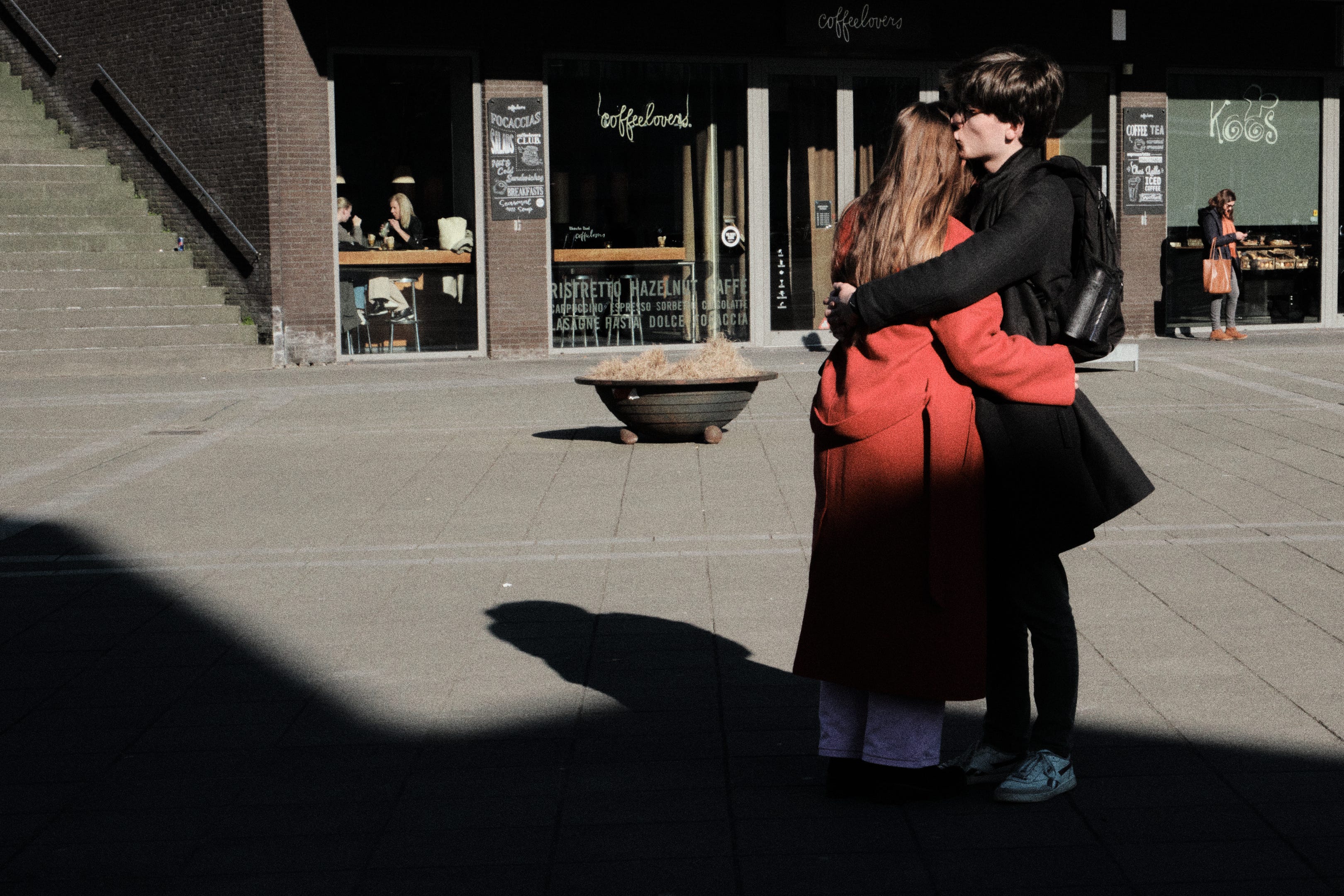
It’s Valentine’s Day.
You rushed into shops and online stores to find the perfect gift for your love.
A day we dedicate to love.
But we often overlook the most important relationship: The one with yourself.
And while Valentine’s Day is dedicated to people in a relationship, understanding how we show up for others in general is the fundamental shift we should prioritise, even if we are single.
I know, “what does it have to do with photography”? One may ask.
Well, for one, Live Intentionally won’t always have to do with photography directly.. but stay with me, because somehow it has (a lot)… more on this later.
One of the best example to look at self-love or self-compassion (I will unpack the difference in a minute) is the oxygen mask metaphor.
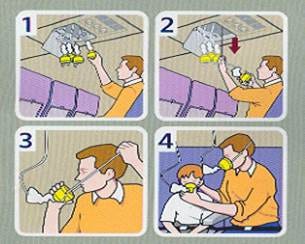
Research shows that self-care isn’t selfish but sustainable and necessary in order to show up for others. Without nurturing our own mental, emotional and physical health, we eventually run out of air.
While the difference between self-love and self-compassion is subtle, it’s significant.
Self-love is the active part: everything you do to support your mental, emotional, physical, and spiritual needs. It involves commitment, discipline, and most importantly, action, like setting boundaries, following your joy, prioritising health, being vulnerable in relationships.
Self-compassion, on the other hand, is milder and more internal. It’s not so much about what you do, but how you relate to yourself through difficult times. While self-love can require effort, self-compassion is the soothing presence that stays with you when things fall apart.
Studies show that compassion-based meditation actually decreases the amygdala activation, which is responsible to suffering, reducing anxiety and fear responses.
Daily Practices: Your Self-Compassion Toolkit:
Here are evidence-based practices that cultivate both self-love and self-compassion:
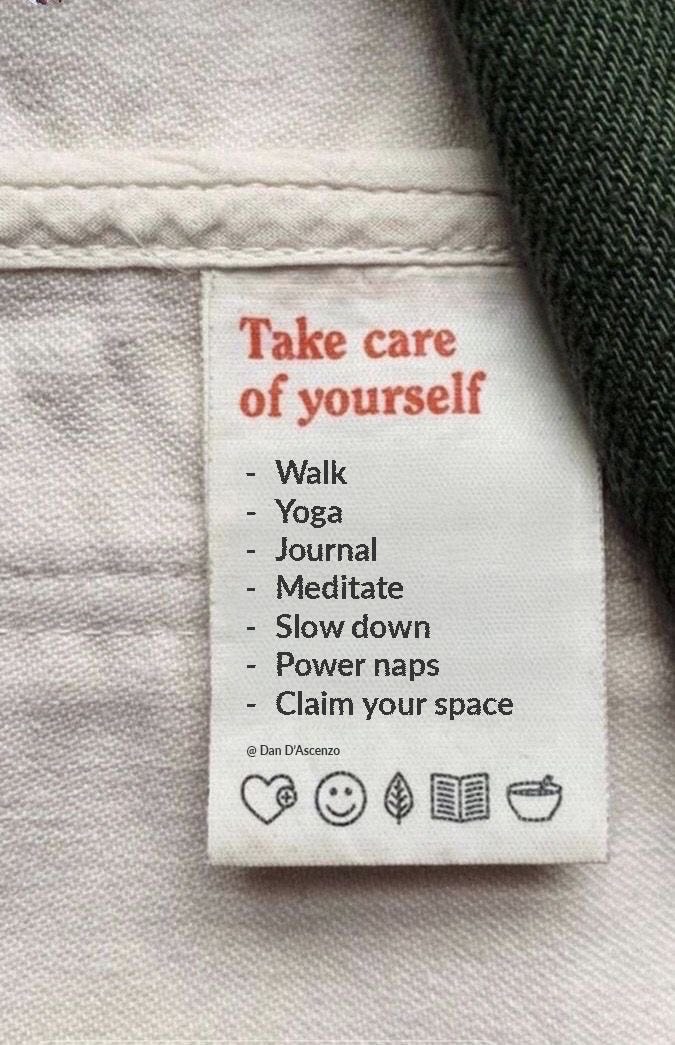
Walking: A walk provides mental clarity and calms racing thoughts through its neurological effects.
Journaling: Expressive writing activates the prefrontal cortex while dampening amygdala activity. It literally rewires your brain for better emotional regulation.
Yoga and Meditation: Both practices increase self-compassion and mindfulness while reducing stress.
All these practices activate self-compassion’s core components.
They create space for mindfulness (awareness of what you’re experiencing), reinforce common humanity (recognising everyone struggles), and cultivate self-kindness (treating yourself gently), the three components that Dr Kristin Neff demonstrates in her framework.
And while we are also integrating photography to these practices, going out with your camera today is both self-love and self-compassion in action.
The intentional choice to take time for yourself, to shoot, to develop film, well that's self-love.
But the way you approach it matters too: Can you photograph without harsh self-judgment about your images? Can you stay present with what you see rather than what you think you should capture?
Guess what? that's self-compassion.
Photography becomes not just a practice, but a way of relating to yourself with kindness.
So, this Valentine’s Day, choose one practice that resonates:
A mindful (photo) walk, journaling about what you experienced during the walk, or about yourself, a gentle yoga session, or a meditation focused on self-compassion.
The practice itself doesn’t matter, but the intention behind it: to treat yourself with the same care, patience, and understanding you’d offer someone you deeply love.
Much Love ❤️
& Take Care
Dan